Thinking About a New Deck? Here's the Deal.
You're dreaming of a new deck, maybe a spot for grilling out with the family or just enjoying those beautiful Virginia evenings. That's great! But before you grab a hammer, let's talk about what goes into building a deck, what you can realistically do yourself, and when it's just plain smarter to call in a professional. I've seen a lot of decks come and go around Dumfries, and trust me, doing it right from the start saves a ton of headaches later.
Before You Even Dig: The Planning Stage
This is where a lot of folks either get overwhelmed or skip crucial steps. Don't be that person. Proper planning is half the battle.
- Permits, Permits, Permits: This isn't optional. Prince William County has specific building codes, and you absolutely need a permit for a new deck or even a significant renovation. You'll need to submit plans, and they'll inspect the work. Trying to bypass this is a recipe for disaster, fines, and potentially having to tear down your hard work. This is usually something you can handle yourself – filling out forms, submitting plans. But if your design is complex, a pro can help draw up plans that meet code.
- Design & Layout: How big do you want it? What shape? What materials? This is where you get to be creative. Think about how you'll use the deck. Will it connect to your kitchen? Do you want multiple levels? Sketch it out. Look at other decks for inspiration. This part is definitely DIY-friendly.
- Material Selection: Pressure-treated lumber is standard for framing, but for decking boards, you've got options: wood (cedar, redwood, pressure-treated) or composite. Composites are low-maintenance but cost more upfront. Wood needs regular staining or sealing. Consider our humid summers and occasional heavy snowfalls here in Dumfries when making your choice. Certain materials hold up better to those swings. You can research and choose materials yourself.
- Foundation & Footings: This is critical. Your deck needs a solid foundation that goes below the frost line to prevent shifting and heaving. For us in Northern Virginia, that's typically 24 inches deep, but always check current local codes. Digging footings and pouring concrete piers can be a DIY job if you're comfortable with physical labor and precise measurements. However, if you're dealing with tricky soil conditions, like some of the clay we have around here, or if you're unsure about proper pier placement and depth, this is a prime spot to consult a pro.
During Construction: Getting Your Hands Dirty (or Not)
Once the plans are approved and materials are on site, the real work begins.
- Framing: This is the backbone of your deck. It needs to be strong, level, and square. Joists, beams, and ledger boards all need to be properly spaced and securely fastened. If you've got solid carpentry skills, good tools, and a helper, you can tackle this. But if you're not confident in your ability to build a structurally sound frame that will pass inspection, this is where a professional deck builder like Charis Deck Solutions really shines. We know the codes inside and out, and we've got the experience to build it right, the first time.
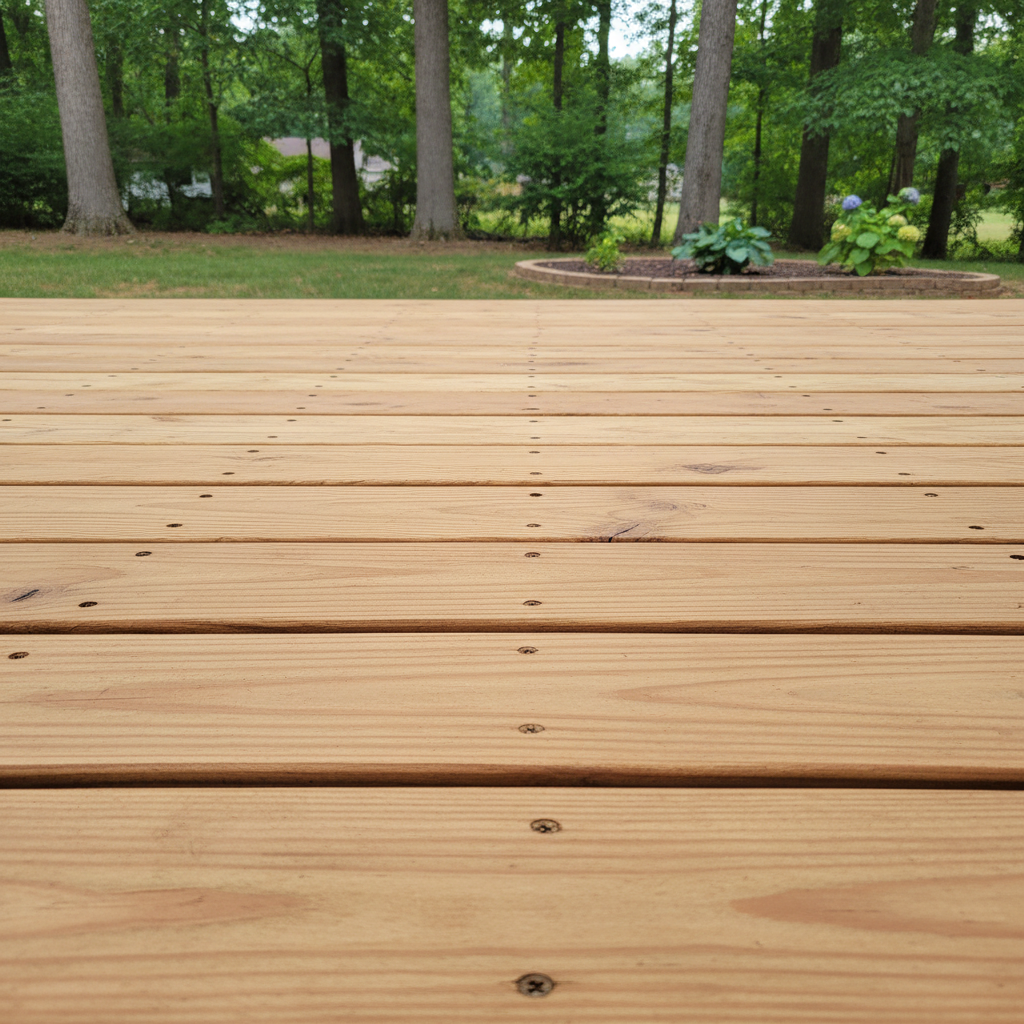
- Decking Boards: Laying the actual deck boards is generally a more manageable DIY task. It's repetitive, but you need to pay attention to consistent spacing, proper fastening, and cutting boards accurately.
- Railings & Stairs: These are crucial for safety and often require precision. Building sturdy, code-compliant railings and stairs can be tricky. If you're doing a simple design, you might manage. But for complex designs, or if you're unsure about baluster spacing, handrail heights, or stair rise/run, a pro will ensure it meets all safety standards.
After the Build: Maintenance & Enjoyment
You've put in the work (or hired someone to do it), and now you've got a fantastic new outdoor living space. Don't forget about keeping it in top shape.
- Cleaning: Regular cleaning with a deck cleaner and a power washer (on a low setting!) will keep mold and mildew at bay. This is 100% a DIY job.
- Staining/Sealing: If you went with wood, you'll need to stain or seal it every few years to protect it from the elements. This is also a great DIY task that can significantly extend your deck's life.
- Inspections: Periodically check for loose boards, wobbly railings, or any signs of rot or insect damage, especially on the posts near the ground. Catching small issues early can prevent bigger, more expensive problems.
Look, building a deck isn't rocket science, but it's a big project with safety implications. If you're handy, patient, and willing to learn, you can definitely do parts of it yourself. But for the structural stuff, especially the foundation and framing, or if you just want peace of mind, don't hesitate to call in the pros. We're here to help you get that dream deck built right, whether you do some of the work or we handle it all.