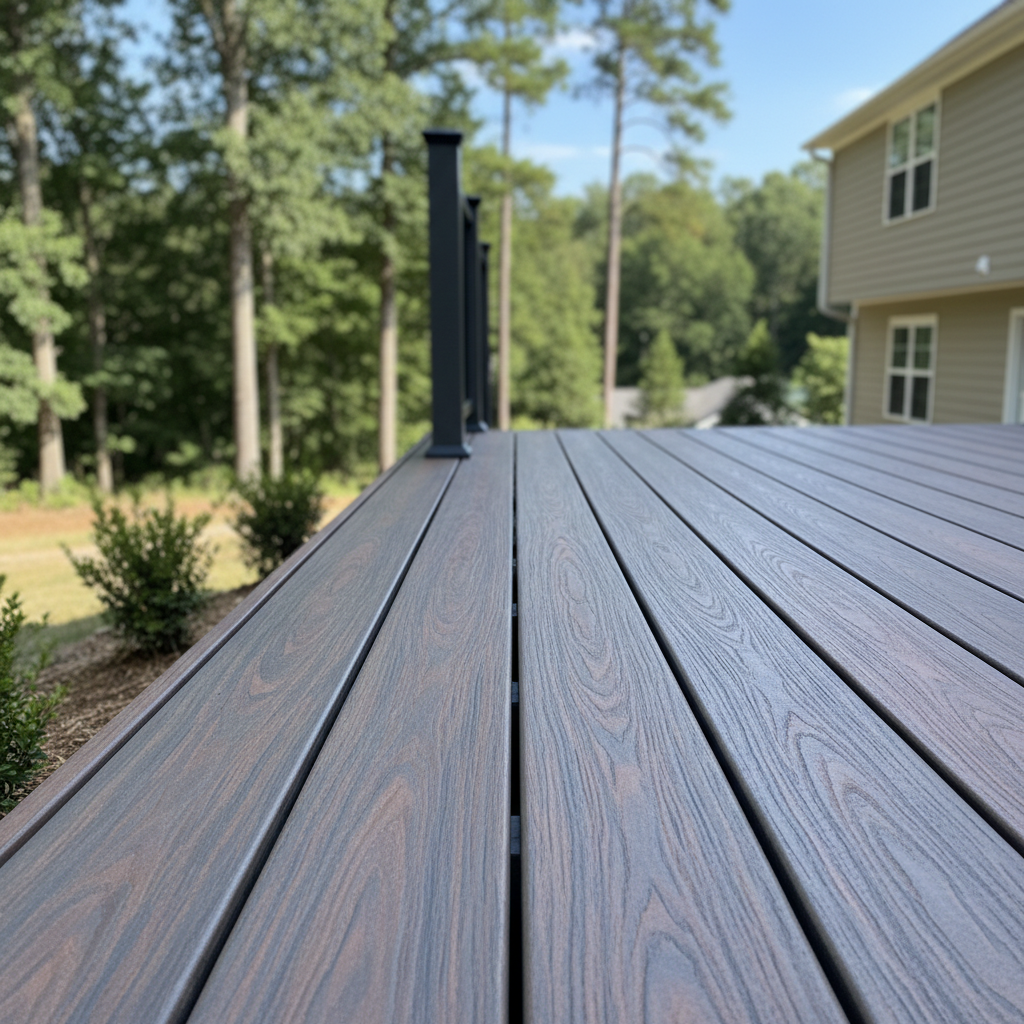
Alright, let's talk composite decks. I've built a ton of 'em around Dumfries, from the newer developments near Potomac Shores to the older, established homes off Route 1. They're a popular choice, and for good reason, but there's definitely stuff you need to know before you jump in. It's not just slapping down some boards and calling it a day.
Before You Start: Planning Your Composite Deck
First off, you've got to figure out what you want. I mean, really think about it. What's the deck going to be used for? Just a small grill spot, or a big outdoor living area for entertaining? This dictates size, shape, and even the type of composite you'll need.
- Budget: Composite costs more upfront than pressure-treated wood, no two ways about it. But remember, you're buying less maintenance down the line. Factor in not just the decking, but the framing, railings, fasteners, and any extras like lighting or pergolas.
- Permits: Don't skip this. Prince William County has codes, and you'll need a permit for most deck builds. Trying to bypass it is asking for trouble later, especially if you ever sell your house. I've seen folks get hit with fines or even forced to tear down unpermitted work. It's a headache you don't need.
- Foundation & Framing: This is crucial. Composite boards are heavier than wood, and they need a solid, properly spaced frame. If you're replacing an old wood deck, you can't just assume the existing frame will work. It might need beefing up, or even a complete overhaul. This isn't a DIY job for most homeowners; you need to know what you're doing with footings, joist spacing, and ledger board attachment. The clay soil we've got around here, especially in areas like Montclair, can shift, so proper footings are non-negotiable.
- Choosing Your Composite: There are so many brands and colors now. Get samples, take 'em home, see how they look in different light. Think about sun exposure – some darker colors can get pretty hot under our Virginia sun.
During the Build: DIY or Call a Pro?
Okay, so you've got your plan and your materials. Now for the actual building. Here's where you need to be honest with yourself about your skills.
What you CAN realistically DIY:
- Demolition: If you're replacing an old deck, tearing it down is usually something you can handle. Just be careful, wear safety gear, and dispose of the waste properly.
- Basic Layout & Measuring: You can mark out your deck's footprint, but getting it perfectly square and level is tougher than it looks.
- Cleaning Up: Keeping the site tidy as you go helps a lot.
When to call Charis Deck Solutions (or another experienced pro):
- Footings & Framing: Seriously, this is the backbone of your deck. If it's not right, nothing else will be. We know the local codes, soil conditions, and how to build a frame that will last.
- Attaching the Ledger Board: This is the board that connects your deck to your house. If it's not done right, you're risking structural failure and water intrusion into your home. This is NOT a place to cut corners.
- Cutting & Fastening Composite: While it seems straightforward, composite boards require specific tools and techniques. They expand and contract differently than wood, and you need to leave proper gaps. Plus, getting those cuts perfectly straight and consistent, especially on stairs or intricate patterns, takes practice. Hidden fasteners are great, but they need to be installed correctly to avoid issues.
- Stairs & Railings: These are safety components. Getting the rise and run of stairs right, and ensuring railings meet code for height and baluster spacing, is critical.
Look, I'm all for homeowners tackling projects, but a deck is a big one. If you're not confident in your carpentry skills, especially with structural elements, calling a pro saves you headaches, potential safety hazards, and often, money in the long run from fixing mistakes. Who wants to redo something twice?
After It's Built: Keeping Your Composite Deck Looking Good
One of the best things about composite is the low maintenance, but