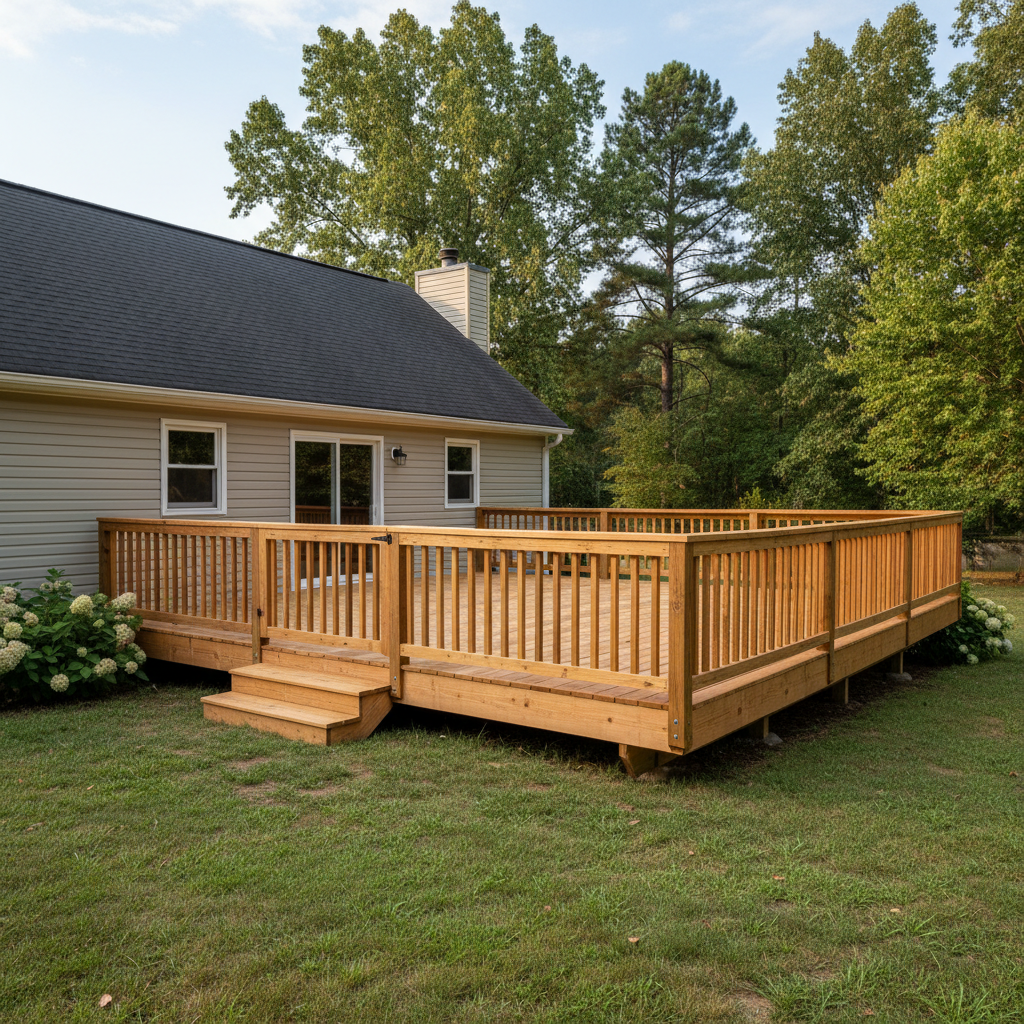
You're probably wondering, "How much is this new deck going to set me back?" It's the first question everyone asks, and for good reason. Building a deck is an investment, and you want to know what you're getting into. As a local contractor here in Dumfries, I've seen a lot of projects, and I can tell you there's no single answer, but I can give you some solid numbers and what makes them move.
What Makes Deck Prices Go Up or Down?
A bunch of things factor into the final price. It's not just the size, though that's a big one. Here's what I look at when I'm putting together a quote:
- Size and Complexity: A simple 10x12 rectangle is way different from a multi-level deck with built-in benches and planters. More square footage, more angles, more stairs – it all adds up in labor and materials.
- Material Choices: This is huge. Pressure-treated pine is your most budget-friendly option, but it needs more maintenance. Composite decking (like Trex or TimberTech) costs more upfront but lasts longer and needs less work. Exotic hardwoods like ipe are stunning but come with a premium price tag.
- Foundation and Site Prep: If your yard slopes significantly, or if we hit a lot of rock when digging for footings (which isn't uncommon around some of the older parts of Dumfries, especially near the river), that's extra work. We need solid foundations, especially with our clay soil and the freeze-thaw cycles we get here.
- Permits and Inspections: Don't skip these. It's not just a legal requirement; it ensures your deck is built safely and to code. The cost for permits in Prince William County usually runs a few hundred dollars, but it's vital.
- Railings and Extras: Standard wood pickets are cheapest. Aluminum balusters, glass panels, or custom metal railings look great but increase the cost. Add-ons like built-in lighting, pergolas, or custom benches also add to the total.
Typical Cost Ranges for Decks in Dumfries
Alright, let's get to some actual numbers. Keep in mind these are averages for a professionally built, code-compliant deck. You might find someone cheaper, but you might also get what you pay for.
- Pressure-Treated Wood Deck: For a basic, well-built pressure-treated deck, you're generally looking at **$35 to $55 per square foot**. So, a 12x16 (192 sq ft) deck could run you anywhere from about $6,700 to $10,500. This is a solid, economical choice if you're willing to stain and seal it every few years.
- Composite Decking: If you want less maintenance and a longer lifespan, composite is the way to go. Expect to pay **$55 to $85+ per square foot**. That same 12x16 deck would then be in the range of $10,500 to $16,300, or even more for premium brands or complex designs. The upfront cost is higher, but you save on staining and repairs down the road.
- High-End or Multi-Level Decks: For larger, custom designs, multi-level structures, or premium hardwoods, prices can easily go north of **$90-$100+ per square foot**. These are truly outdoor living spaces, often with intricate designs, lighting, and other features.
Remember, these numbers include materials, labor, and usually permit assistance.
What Should Be in Your Deck Quote?
When Charis Deck Solutions gives you a quote, or any reputable contractor for that matter, you should see a clear breakdown. Don't just accept a single number. Your quote should detail:
- Material Costs: Specifics on the type of wood or composite, fasteners, concrete, etc.
- Labor Costs: The estimated hours or fixed price for the construction crew.
- Permit Fees: Either included or clearly stated as an additional cost you'll handle.
- Site Preparation: Any demolition of old structures, grading, or special foundation work.
- Specific Features: Railing type, stairs (number of risers), any built-in elements.
- Warranty Information: What's covered and for how long.
- Payment Schedule: Typically a deposit, progress payments, and a final payment upon completion.
How to Avoid Overpaying (and Under-Getting)
You want a good deal, but you don't want to cut corners on something as important as a deck. Here's my advice:
- Get Multiple Quotes: Three is a good number. Make sure they're quoting on the same scope of work and materials so you can compare apples to apples.
- Check References and Reviews: A low price means nothing if the contractor disappears or does shoddy work. Look for local reviews and ask for past client contacts.
- Understand the Materials: Don't just say "composite." Ask about the brand, the specific line, and its warranty. There's a big difference between entry-level and premium composite.
- Don't Rush: Good contractors are busy. If someone can start tomorrow and their price is significantly lower, be wary. Quality work takes time to plan and execute.
- Ask About Insurance: Make sure they're licensed and insured. If someone gets hurt on your property and they're not insured, you could be liable.
Building a deck is a big project, but it adds so much value and enjoyment to your home. Do your homework, ask the right questions, and choose a contractor you trust. You'll be enjoying your new outdoor space for years to come.